What Are Common Foundation Repair Issues and How Can You Fix Them?

Foundation Repair

It often begins with something subtle. A small crack in the wall, a door that no longer closes properly, or a slight slope in the floor that you only notice after walking across it several times. These small changes can be easy to ignore, but they are often early signs of foundation issues. Since the foundation supports your entire home, even minor problems can grow into serious structural concerns if left untreated.

Understanding common Foundation Repair Nashville issues and how they are addressed can help you take action early, protect your home, and avoid costly repairs in the future.

What Are Foundation Issues

Foundation issues occur when the base of a structure shifts, settles, or weakens over time. These problems are often caused by changes in the soil beneath the home, moisture imbalances, or structural stress.

When the foundation moves, it affects the entire structure above it. Walls, floors, doors, and windows may all show signs of stress or misalignment.

Foundation issues can range from minor cosmetic cracks to major structural damage. Identifying the type and severity of the problem is the first step toward finding the right solution.

Addressing these issues early helps prevent further damage and ensures long term stability.

Common Types of Foundation Problems

Several types of foundation issues are commonly found in homes. Cracks in walls or floors are among the most noticeable. These cracks can appear in different shapes and sizes, depending on the cause.

Uneven or sloping floors are another common issue. This often indicates that part of the foundation has settled or shifted.

Sticking doors and windows can also signal foundation movement. When the structure shifts, frames become misaligned, making them difficult to open or close.

Gaps between walls, ceilings, or floors may develop as the foundation moves. These gaps are often a sign of structural stress.

In more severe cases, bowing or leaning walls may occur. This indicates significant pressure or damage that requires immediate attention.

Each of these problems points to underlying issues that need to be addressed.

Causes of Foundation Issues

Understanding the causes of foundation problems helps you prevent them and choose the right repair method. Soil movement is one of the most common causes. Changes in moisture levels can cause soil to expand or shrink, leading to foundation shifts.

Poor drainage can result in water buildup around the foundation. This weakens the soil and increases the risk of movement.

Tree roots can also affect the foundation by drawing moisture from the soil or exerting pressure as they grow.

Natural settling occurs over time, but excessive settling can lead to noticeable damage.

Construction issues, such as inadequate preparation or materials, may also contribute to foundation problems.

Identifying the cause is essential for effective repair.

Signs That Indicate Foundation Repair Is Needed

Recognizing early warning signs can help you take action before problems worsen. Cracks in walls, especially those that grow over time, are a common indicator.

Doors and windows that suddenly become difficult to use may suggest structural movement.

Uneven floors or noticeable slopes can indicate that the foundation is no longer level.

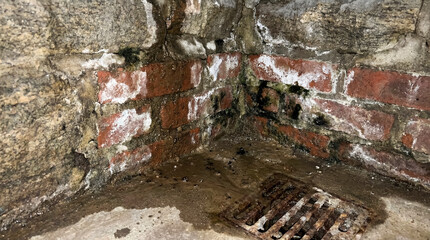
Water intrusion in basements or crawl spaces may also point to foundation issues.

Exterior signs, such as cracks in brickwork or gaps around the structure, should not be ignored.

Being aware of these signs allows you to address issues early and reduce repair costs.

Foundation Repair Methods

Different foundation issues require different repair methods. One common solution involves installing support systems beneath the foundation to stabilize it.

Another method focuses on lifting and leveling the structure. This helps restore alignment and improve functionality.

Crack repair is used for smaller issues. Sealing cracks prevents water from entering and causing further damage.

Drainage improvements are often part of the repair process. Redirecting water away from the foundation helps prevent future problems.

Each method is chosen based on the specific condition and cause of the issue.

The Importance of Early Repair

Addressing foundation issues early is one of the most important steps in protecting your home. Small problems can quickly become larger and more expensive if left untreated.

Early repair helps prevent structural damage to walls, floors, and other parts of the home. It also reduces the risk of safety concerns.

Taking action promptly often results in simpler and more cost effective solutions.

Delaying repairs can lead to more complex issues that require extensive work.

Being proactive helps maintain the integrity of your home.

Preventing Future Foundation Problems

Preventive measures can help reduce the risk of foundation issues. Proper drainage is essential. Ensuring that water flows away from the foundation helps maintain stable soil conditions.

Maintaining consistent moisture levels around the home is also important. Sudden changes can cause soil movement.

Regular inspections allow you to identify potential problems early. Addressing small issues promptly helps prevent larger ones.

Keeping vegetation at a safe distance from the foundation reduces the impact of roots.

These steps support long term stability and reduce the likelihood of future repairs.

When to Call a Professional

While some minor issues may seem manageable, foundation problems often require professional evaluation. If you notice large cracks, significant movement, or recurring issues, it is important to seek expert help.

Professionals can assess the condition of your foundation and recommend the most effective repair methods. They have the tools and experience needed to address complex problems safely.

Getting a professional opinion ensures that repairs are done correctly and that the root cause is addressed.

Timely consultation helps prevent further damage and provides peace of mind.

Final Thoughts

Foundation repair issues are a serious concern that should never be ignored. From small cracks to major structural problems, each issue requires careful attention and the right solution.

By understanding common foundation problems, their causes, and available repair methods, you can take proactive steps to protect your home. Early detection and timely repairs are key to maintaining stability and avoiding costly damage.

In the end, your foundation is the base that supports everything in your home. Keeping it strong and stable ensures that your entire structure remains safe, secure, and built to last.
Cabinet Painting: A Complete Guide to Transforming Your Space with Color and Style

Cabinet Painting

A room can feel completely different with just one simple change. Sometimes, it is not about replacing furniture or redesigning the entire layout, but about refreshing what already exists. Cabinets are one of the most noticeable features in kitchens, bathrooms, and storage areas, yet they are often overlooked when it comes to updates. Over time, their color may fade, styles may feel outdated, or surfaces may show signs of wear. Cabinet painting offers a powerful way to bring new life into a space without the cost and disruption of full replacement.

Cabinet Painting Sacramento is both a practical and creative solution. It allows homeowners to customize their space, improve appearance, and extend the life of existing cabinetry. With the right preparation and technique, painted cabinets can look modern, clean, and professionally finished.

What Cabinet Painting Involves

Cabinet painting is the process of applying a new paint finish to existing cabinet surfaces to improve their appearance. Unlike refinishing, which focuses on preserving natural wood grain, painting completely changes the look by adding color and a smooth finish.

The process involves several stages, including cleaning, sanding, priming, and painting. Each step is important to ensure that the final result is durable and visually appealing.

Painting cabinets requires attention to detail because these surfaces are used frequently. Doors, drawers, and frames must all be properly prepared to ensure that the paint adheres well and resists wear over time.

When done correctly, cabinet painting can make old cabinets look brand new, offering a fresh and updated appearance that enhances the entire room.

Benefits of Cabinet Painting

One of the main advantages of cabinet painting is cost savings. Replacing cabinets can be expensive and time consuming, while painting provides a more affordable alternative that still delivers noticeable results.

Another benefit is the ability to customize the look of your space. With a wide range of colors and finishes available, cabinet painting allows you to match your cabinets to your personal style or current design trends.

Cabinet painting is also less disruptive than replacement. Since the existing structure remains in place, the process can be completed more quickly, allowing you to continue using your space with minimal interruption.

In addition, painting is a more sustainable option. By reusing existing cabinets, it reduces waste and minimizes the need for new materials.

These benefits make cabinet painting an attractive option for homeowners looking to refresh their space efficiently.

Choosing the Right Paint and Finish

Selecting the right paint is essential for achieving a durable and attractive result. Cabinets require paint that can withstand frequent use, cleaning, and exposure to moisture.

High quality paints designed for cabinetry are often recommended. These paints provide better adhesion and a smoother finish compared to standard wall paint.

The type of finish also plays a significant role in the final appearance. Matte finishes offer a soft look but may be more prone to marks. Satin and semi gloss finishes are popular choices because they provide a balance between durability and visual appeal.

Gloss finishes create a shiny and reflective surface that is easy to clean, though they may highlight imperfections if the surface is not properly prepared.

Color selection is another important consideration. Lighter colors can make a space feel larger and brighter, while darker tones add depth and contrast.

Choosing the right combination of paint and finish ensures both functionality and style.

The Cabinet Painting Process Step by Step

Achieving a professional result requires a structured approach. The process begins with thorough cleaning to remove grease, dirt, and residue that can interfere with paint adhesion.

After cleaning, the surfaces are sanded to create a smooth base and help the paint bond effectively. This step also removes any existing finish that may prevent proper application.

Next, a primer is applied. Primer helps seal the surface, improve paint adhesion, and create an even base for the final color. This step is especially important when changing from a dark color to a lighter one.

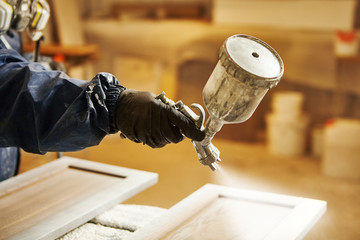
Once the primer has dried, the paint is applied in thin, even layers. Multiple coats may be needed to achieve full coverage and a consistent finish.

Finally, the cabinets are allowed to cure. This ensures that the paint hardens properly and becomes resistant to wear.

Each step contributes to a high quality finish that lasts over time.

Common Mistakes to Avoid

While cabinet painting can be a rewarding project, there are common mistakes that can affect the outcome. Skipping preparation is one of the most frequent issues. Without proper cleaning and sanding, paint may not adhere correctly.

Using low quality paint can also lead to poor results. Cabinets require durable coatings that can handle daily use, and choosing the wrong product can result in chipping or fading.

Applying paint too thickly is another common mistake. Thick layers can create uneven surfaces and extend drying time. Thin, even coats produce a smoother and more professional finish.

Rushing the process can also impact the final result. Allowing proper drying and curing time is essential for durability.

Avoiding these mistakes helps ensure that cabinet painting delivers the desired transformation.

Maintaining Painted Cabinets

Once cabinets have been painted, proper maintenance helps preserve their appearance and extend their lifespan. Regular cleaning with gentle products prevents the buildup of grease and dirt.

Using soft cloths and avoiding harsh chemicals protects the paint from damage. Abrasive cleaners can wear down the finish and reduce its durability.

Handling cabinets carefully also makes a difference. Opening and closing doors gently reduces stress on the painted surfaces.

Periodic touch ups can address minor chips or scratches, keeping the cabinets looking fresh over time.

With consistent care, painted cabinets can maintain their appearance for many years.

When Cabinet Painting Is the Right Choice

Cabinet painting is ideal when cabinets are structurally sound but visually outdated. If the frames and doors are in good condition, painting can provide a significant improvement without the need for replacement.

It is also a good option for those who want to change the color or style of their space without altering the layout. Painting allows for a complete transformation while keeping the existing design intact.

However, if cabinets are damaged, warped, or poorly constructed, replacement may be a better solution. Evaluating the condition of the cabinets helps determine the most appropriate approach.

Choosing cabinet painting at the right time ensures that the results are both practical and visually satisfying.

Final Thoughts

Cabinet painting is a simple yet powerful way to transform a space. By updating the color and finish, it brings new life to existing cabinets and enhances the overall look of a room.

This approach offers a balance between affordability and impact, making it a popular choice for homeowners seeking an efficient upgrade. With proper preparation, quality materials, and attention to detail, painted cabinets can achieve a professional and long lasting finish.

Whether you are aiming for a modern refresh or a subtle update, cabinet painting provides the flexibility to create a space that feels new, inviting, and tailored to your style. It is a practical solution that delivers both visual appeal and lasting value.