What Are Metal Gates and Fences and Why Are They a Smart Choice for Your Property?

Metal Gates and Fences

The entrance to your property says a lot before anyone even steps inside. A well designed gate and fence not only creates a strong first impression but also provides security, privacy, and structure. Metal Gate and Fence stand out as one of the most reliable and stylish options available, offering both durability and design flexibility.

Whether used for residential or commercial properties, metal gates and fences combine strength with visual appeal, making them a long term investment that enhances both safety and aesthetics.

What Are Metal Gates and Fences

Metal gates and fences are protective and decorative structures made from materials such as steel, wrought iron, aluminum, or other metal alloys. They are designed to enclose spaces, control access, and define property boundaries.

Gates serve as entry and exit points, while fences provide continuous enclosure around a property. Together, they create a complete system that balances security with design.

These structures can be customized to match different architectural styles, making them suitable for a wide range of properties.

Types of Metal Gates and Fences

Metal gates and fences come in various styles to meet different needs and preferences. Some designs focus on security, with strong and solid structures that limit visibility and access.

Others emphasize decorative appeal, featuring detailed patterns and artistic elements that enhance the look of the property.

Modern styles often include clean lines and minimal designs, creating a sleek and contemporary appearance.

Traditional styles may incorporate intricate metalwork and classic shapes, adding a timeless and elegant feel.

Each type can be tailored to suit both functional requirements and personal style.

Materials Used in Metal Gates and Fences

The choice of material plays an important role in performance and appearance. Steel is known for its strength and is commonly used for security focused designs.

Wrought iron is valued for its ability to be shaped into detailed and decorative patterns, making it ideal for custom designs.

Aluminum offers a lightweight and corrosion resistant option, especially suitable for outdoor environments.

Stainless steel provides a modern look and excellent resistance to rust and wear.

Selecting the right material ensures that the gate and fence meet both durability and design expectations.

Benefits of Metal Gates and Fences

Metal gates and fences offer several advantages that make them a popular choice. One of the main benefits is durability. Metal structures can withstand harsh weather conditions and heavy use.

Security is another key advantage. Strong materials and solid construction help protect the property from unauthorized access.

Low maintenance is also important. Compared to wood or other materials, metal requires less upkeep when properly treated.

Design flexibility allows for a wide range of styles, from simple and modern to detailed and decorative.

In addition, metal gates and fences can increase property value by improving both safety and curb appeal.

Design Options and Customization

One of the most appealing aspects of metal gates and fences is the ability to customize them. Designs can be adjusted in terms of height, pattern, and finish to match the property.

Color options and coatings can be selected to complement the surrounding architecture. Decorative elements such as curves, patterns, and accents can add personality to the design.

Automation features can also be integrated into gates, allowing for convenient access control.

Customization ensures that the final result meets both functional and aesthetic goals.

Installation Process

The installation process begins with planning and measurement. This step ensures that the gate and fence fit the property correctly.

The area is prepared by marking boundaries and setting foundations for posts and supports. Proper alignment is essential for stability and appearance.

Metal components are then installed and secured in place. Gates are fitted to ensure smooth operation.

Finishing touches are added to enhance durability and appearance. This may include protective coatings or adjustments.

A final inspection ensures that the installation meets quality and safety standards.

Maintenance and Care

Maintaining metal gates and fences is relatively straightforward. Regular cleaning helps remove dirt and prevent buildup.

Protective coatings can be applied to prevent rust and extend the life of the structure. This is especially important for outdoor installations.

Inspecting hinges, locks, and connections ensures that everything remains secure and functional.

Addressing minor issues early helps prevent larger problems and maintains the overall condition.

With proper care, metal gates and fences can last for many years.

Cost Considerations

The cost of metal gates and fences can vary depending on several factors. Material choice is one of the main considerations, as different metals have different price ranges.

Design complexity also affects cost. Simple designs are generally more affordable, while custom or decorative options may require additional labor.

The size of the property and installation requirements can influence the overall expense.

Understanding these factors helps you plan your budget effectively.

Metal Gates and Fences vs Other Materials

Metal gates and fences are often compared to materials such as wood or vinyl. While each option has its benefits, metal stands out for its strength and longevity.

Unlike wood, metal is less susceptible to damage from moisture, pests, and weather conditions.

Compared to vinyl, metal offers greater durability and a more premium appearance.

These advantages make metal a reliable and long lasting choice.

Final Thoughts

Metal gates and fences provide a combination of security, durability, and design that is difficult to match. They not only protect your property but also enhance its overall appearance.

By understanding the different materials, styles, and installation processes, you can choose a solution that fits your needs and complements your space. With proper maintenance, metal gates and fences offer long term value and performance.

In the end, these structures are more than just barriers. They are an integral part of your property that reflects both functionality and style while providing lasting protection.
What Are Common Foundation Repair Issues and How Can You Fix Them?

Foundation Repair

It often begins with something subtle. A small crack in the wall, a door that no longer closes properly, or a slight slope in the floor that you only notice after walking across it several times. These small changes can be easy to ignore, but they are often early signs of foundation issues. Since the foundation supports your entire home, even minor problems can grow into serious structural concerns if left untreated.

Understanding common Foundation Repair Nashville issues and how they are addressed can help you take action early, protect your home, and avoid costly repairs in the future.

What Are Foundation Issues

Foundation issues occur when the base of a structure shifts, settles, or weakens over time. These problems are often caused by changes in the soil beneath the home, moisture imbalances, or structural stress.

When the foundation moves, it affects the entire structure above it. Walls, floors, doors, and windows may all show signs of stress or misalignment.

Foundation issues can range from minor cosmetic cracks to major structural damage. Identifying the type and severity of the problem is the first step toward finding the right solution.

Addressing these issues early helps prevent further damage and ensures long term stability.

Common Types of Foundation Problems

Several types of foundation issues are commonly found in homes. Cracks in walls or floors are among the most noticeable. These cracks can appear in different shapes and sizes, depending on the cause.

Uneven or sloping floors are another common issue. This often indicates that part of the foundation has settled or shifted.

Sticking doors and windows can also signal foundation movement. When the structure shifts, frames become misaligned, making them difficult to open or close.

Gaps between walls, ceilings, or floors may develop as the foundation moves. These gaps are often a sign of structural stress.

In more severe cases, bowing or leaning walls may occur. This indicates significant pressure or damage that requires immediate attention.

Each of these problems points to underlying issues that need to be addressed.

Causes of Foundation Issues

Understanding the causes of foundation problems helps you prevent them and choose the right repair method. Soil movement is one of the most common causes. Changes in moisture levels can cause soil to expand or shrink, leading to foundation shifts.

Poor drainage can result in water buildup around the foundation. This weakens the soil and increases the risk of movement.

Tree roots can also affect the foundation by drawing moisture from the soil or exerting pressure as they grow.

Natural settling occurs over time, but excessive settling can lead to noticeable damage.

Construction issues, such as inadequate preparation or materials, may also contribute to foundation problems.

Identifying the cause is essential for effective repair.

Signs That Indicate Foundation Repair Is Needed

Recognizing early warning signs can help you take action before problems worsen. Cracks in walls, especially those that grow over time, are a common indicator.

Doors and windows that suddenly become difficult to use may suggest structural movement.

Uneven floors or noticeable slopes can indicate that the foundation is no longer level.

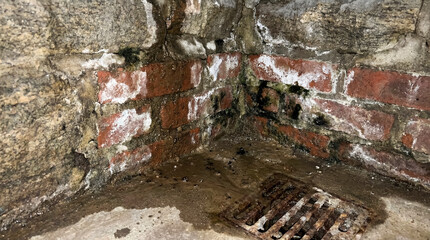
Water intrusion in basements or crawl spaces may also point to foundation issues.

Exterior signs, such as cracks in brickwork or gaps around the structure, should not be ignored.

Being aware of these signs allows you to address issues early and reduce repair costs.

Foundation Repair Methods

Different foundation issues require different repair methods. One common solution involves installing support systems beneath the foundation to stabilize it.

Another method focuses on lifting and leveling the structure. This helps restore alignment and improve functionality.

Crack repair is used for smaller issues. Sealing cracks prevents water from entering and causing further damage.

Drainage improvements are often part of the repair process. Redirecting water away from the foundation helps prevent future problems.

Each method is chosen based on the specific condition and cause of the issue.

The Importance of Early Repair

Addressing foundation issues early is one of the most important steps in protecting your home. Small problems can quickly become larger and more expensive if left untreated.

Early repair helps prevent structural damage to walls, floors, and other parts of the home. It also reduces the risk of safety concerns.

Taking action promptly often results in simpler and more cost effective solutions.

Delaying repairs can lead to more complex issues that require extensive work.

Being proactive helps maintain the integrity of your home.

Preventing Future Foundation Problems

Preventive measures can help reduce the risk of foundation issues. Proper drainage is essential. Ensuring that water flows away from the foundation helps maintain stable soil conditions.

Maintaining consistent moisture levels around the home is also important. Sudden changes can cause soil movement.

Regular inspections allow you to identify potential problems early. Addressing small issues promptly helps prevent larger ones.

Keeping vegetation at a safe distance from the foundation reduces the impact of roots.

These steps support long term stability and reduce the likelihood of future repairs.

When to Call a Professional

While some minor issues may seem manageable, foundation problems often require professional evaluation. If you notice large cracks, significant movement, or recurring issues, it is important to seek expert help.

Professionals can assess the condition of your foundation and recommend the most effective repair methods. They have the tools and experience needed to address complex problems safely.

Getting a professional opinion ensures that repairs are done correctly and that the root cause is addressed.

Timely consultation helps prevent further damage and provides peace of mind.

Final Thoughts

Foundation repair issues are a serious concern that should never be ignored. From small cracks to major structural problems, each issue requires careful attention and the right solution.

By understanding common foundation problems, their causes, and available repair methods, you can take proactive steps to protect your home. Early detection and timely repairs are key to maintaining stability and avoiding costly damage.

In the end, your foundation is the base that supports everything in your home. Keeping it strong and stable ensures that your entire structure remains safe, secure, and built to last.

Cabinet Painting: A Complete Guide to Transforming Your Space with Color and Style

Cabinet Painting

A room can feel completely different with just one simple change. Sometimes, it is not about replacing furniture or redesigning the entire layout, but about refreshing what already exists. Cabinets are one of the most noticeable features in kitchens, bathrooms, and storage areas, yet they are often overlooked when it comes to updates. Over time, their color may fade, styles may feel outdated, or surfaces may show signs of wear. Cabinet painting offers a powerful way to bring new life into a space without the cost and disruption of full replacement.

Cabinet Painting Sacramento is both a practical and creative solution. It allows homeowners to customize their space, improve appearance, and extend the life of existing cabinetry. With the right preparation and technique, painted cabinets can look modern, clean, and professionally finished.

What Cabinet Painting Involves

Cabinet painting is the process of applying a new paint finish to existing cabinet surfaces to improve their appearance. Unlike refinishing, which focuses on preserving natural wood grain, painting completely changes the look by adding color and a smooth finish.

The process involves several stages, including cleaning, sanding, priming, and painting. Each step is important to ensure that the final result is durable and visually appealing.

Painting cabinets requires attention to detail because these surfaces are used frequently. Doors, drawers, and frames must all be properly prepared to ensure that the paint adheres well and resists wear over time.

When done correctly, cabinet painting can make old cabinets look brand new, offering a fresh and updated appearance that enhances the entire room.

Benefits of Cabinet Painting

One of the main advantages of cabinet painting is cost savings. Replacing cabinets can be expensive and time consuming, while painting provides a more affordable alternative that still delivers noticeable results.

Another benefit is the ability to customize the look of your space. With a wide range of colors and finishes available, cabinet painting allows you to match your cabinets to your personal style or current design trends.

Cabinet painting is also less disruptive than replacement. Since the existing structure remains in place, the process can be completed more quickly, allowing you to continue using your space with minimal interruption.

In addition, painting is a more sustainable option. By reusing existing cabinets, it reduces waste and minimizes the need for new materials.

These benefits make cabinet painting an attractive option for homeowners looking to refresh their space efficiently.

Choosing the Right Paint and Finish

Selecting the right paint is essential for achieving a durable and attractive result. Cabinets require paint that can withstand frequent use, cleaning, and exposure to moisture.

High quality paints designed for cabinetry are often recommended. These paints provide better adhesion and a smoother finish compared to standard wall paint.

The type of finish also plays a significant role in the final appearance. Matte finishes offer a soft look but may be more prone to marks. Satin and semi gloss finishes are popular choices because they provide a balance between durability and visual appeal.

Gloss finishes create a shiny and reflective surface that is easy to clean, though they may highlight imperfections if the surface is not properly prepared.

Color selection is another important consideration. Lighter colors can make a space feel larger and brighter, while darker tones add depth and contrast.

Choosing the right combination of paint and finish ensures both functionality and style.

The Cabinet Painting Process Step by Step

Achieving a professional result requires a structured approach. The process begins with thorough cleaning to remove grease, dirt, and residue that can interfere with paint adhesion.

After cleaning, the surfaces are sanded to create a smooth base and help the paint bond effectively. This step also removes any existing finish that may prevent proper application.

Next, a primer is applied. Primer helps seal the surface, improve paint adhesion, and create an even base for the final color. This step is especially important when changing from a dark color to a lighter one.

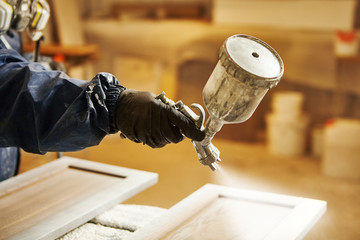
Once the primer has dried, the paint is applied in thin, even layers. Multiple coats may be needed to achieve full coverage and a consistent finish.

Finally, the cabinets are allowed to cure. This ensures that the paint hardens properly and becomes resistant to wear.

Each step contributes to a high quality finish that lasts over time.

Common Mistakes to Avoid

While cabinet painting can be a rewarding project, there are common mistakes that can affect the outcome. Skipping preparation is one of the most frequent issues. Without proper cleaning and sanding, paint may not adhere correctly.

Using low quality paint can also lead to poor results. Cabinets require durable coatings that can handle daily use, and choosing the wrong product can result in chipping or fading.

Applying paint too thickly is another common mistake. Thick layers can create uneven surfaces and extend drying time. Thin, even coats produce a smoother and more professional finish.

Rushing the process can also impact the final result. Allowing proper drying and curing time is essential for durability.

Avoiding these mistakes helps ensure that cabinet painting delivers the desired transformation.

Maintaining Painted Cabinets

Once cabinets have been painted, proper maintenance helps preserve their appearance and extend their lifespan. Regular cleaning with gentle products prevents the buildup of grease and dirt.

Using soft cloths and avoiding harsh chemicals protects the paint from damage. Abrasive cleaners can wear down the finish and reduce its durability.

Handling cabinets carefully also makes a difference. Opening and closing doors gently reduces stress on the painted surfaces.

Periodic touch ups can address minor chips or scratches, keeping the cabinets looking fresh over time.

With consistent care, painted cabinets can maintain their appearance for many years.

When Cabinet Painting Is the Right Choice

Cabinet painting is ideal when cabinets are structurally sound but visually outdated. If the frames and doors are in good condition, painting can provide a significant improvement without the need for replacement.

It is also a good option for those who want to change the color or style of their space without altering the layout. Painting allows for a complete transformation while keeping the existing design intact.

However, if cabinets are damaged, warped, or poorly constructed, replacement may be a better solution. Evaluating the condition of the cabinets helps determine the most appropriate approach.

Choosing cabinet painting at the right time ensures that the results are both practical and visually satisfying.

Final Thoughts

Cabinet painting is a simple yet powerful way to transform a space. By updating the color and finish, it brings new life to existing cabinets and enhances the overall look of a room.

This approach offers a balance between affordability and impact, making it a popular choice for homeowners seeking an efficient upgrade. With proper preparation, quality materials, and attention to detail, painted cabinets can achieve a professional and long lasting finish.

Whether you are aiming for a modern refresh or a subtle update, cabinet painting provides the flexibility to create a space that feels new, inviting, and tailored to your style. It is a practical solution that delivers both visual appeal and lasting value.

How Video Surveillance Deters Crime

Video Surveillance

When selecting a security system, it is important to understand your business’s specific needs. You can then find the video surveillance solutions that are a fit for your security goals.

The effectiveness of CCTV is based on factors such as infrastructure, technological adoption, socioeconomic conditions, and law enforcement capabilities.

1. They Deter Crime

Whether it’s vandalism, theft, or more severe offenses, criminals don’t want to risk getting caught. Security cameras are an effective deterrent, preventing crime from occurring in the first place by making criminals aware they’re being watched. Additionally, remote monitoring gives law enforcement the ability to respond faster to suspicious activities, stopping crimes in their tracks.

Traditional closed-circuit television (CCTV) systems have been the foundation of surveillance for decades, but the rise of advanced technologies like remote video, detection ai, IoT, virtual storage, and big data analytics has greatly improved the capabilities of modern security systems. This allows for more proactive crime prevention, enabling cities to become safer and more secure by making it harder for criminals to go undetected.

Studies on the impact of CCTV have varied, but overall, areas with camera deployment have lower violation rates than those without them. This is due to a combination of factors, including camera placement and live monitoring practices. Having access to footage also helps law enforcement to identify suspects and prosecute perpetrators.

A study by the Urban Institute compared crime rates in areas with and without CCTV. While it found that cameras had a significant impact on deterring criminal behavior, they weren’t foolproof. The cameras weren’t always focused on the right area, didn’t capture events in their entirety, or lost clarity during the day or at night. Additionally, unauthorized entities could gain access to the cameras by broadcasting their signal.

In addition to being a crime deterrent, security cameras are an essential tool in the fight against property crimes. The FBI estimates that the average dollar loss per burglary is $2,416. Considering that affordable security cameras can be purchased for less than that amount, they’re worth the investment.

For example, the Wyze Cam V2 costs just $35 and can deter a crime up to five times that much. That’s a pretty good return on your investment, especially when you consider the financial and emotional cost of crimes committed against businesses and individuals. A single burglary is enough to cause a business owner to close shop, leaving their customers with nowhere to go and no one to service.

2. They Increase Public Confidence

Providing visual evidence of suspicious activity, video surveillance is a powerful deterrent for criminals. When paired with live monitoring and local law enforcement responding to alerts, it can reduce crime by up to 25% in monitored areas.

In addition to reducing crime, CCTV surveillance can help support investigations and improve emergency response times. For instance, in the case of the Boston Marathon Bombing, surveillance footage helped police identify the suspect and bring him to justice.

However, despite the effectiveness of CCTV for crime prevention, its implementation must be done carefully to ensure the community’s trust and acceptance. In LATAM, there are many instances of overreaching and invasive surveillance practices, which can lead to distrust and negative perceptions of public security. As such, it is important to focus on the human element of crime prevention and engage with residents openly about how surveillance technology can be used for the betterment of the community.

For instance, a community in the US that installed cameras to monitor parking spaces and public places experienced a 40% reduction in vandalism and other petty crimes within just one year. This result proves that even smaller communities can benefit from a more transparent approach to surveillance.

It is also important to educate the public about how surveillance systems work, including who has access to footage and when it can be used. This will promote accountability on the part of law enforcement agencies and help build a sense of trust between communities and their law enforcement partners.

Furthermore, focusing on positive footage can help humanize police officers and demonstrate that they are committed to building strong, supportive relationships with the people they serve. Likewise, showing footage that highlights positive interactions between law enforcement and the community can inspire citizens to get involved and support their local public safety efforts.

As technology continues to evolve, it will become increasingly capable of preventing crime by identifying and detecting suspicious activity. By incorporating AI and machine learning into their systems, surveillance tools will become more proactive and preventive, thereby further deterring crime and improving community safety.

3. They Increase Security

In a world where security risks are constantly rising, it’s important to deploy every tool at your disposal. Video surveillance systems act as ever-watchful sentinels, bolstering your business’s security with a visible deterrent that will prompt potential criminals to reconsider their actions.

Video surveillance systems are a powerful crime deterrent that can increase the security of your workplace and the safety of your employees, customers, and visitors. They can also help you protect your assets and prevent theft, vandalism, or property damage. Additionally, a video surveillance system will provide your team with the confidence and sense of security needed to focus on their work.

A security camera system can be deployed in a number of ways, including on-site cameras, mobile video surveillance units, and integrated video analytics. The best CCTV systems will be designed with advanced features to maximize the effectiveness of your security program. This includes high-definition and megapixel cameras, intelligent video analytics, and integration with other security systems.

One of the first advancements in CCTV came with the development of digital recorders, or DVRs. These systems replaced VCRs and allowed for higher image quality, longer recording durations, and easier storage. The next major advance was internet protocol, or IP, cameras. These devices connect to local area networks and can transmit data over the internet, allowing for remote access and surveillance from smart devices like computers and smartphones. In 2014, IP cameras overtook analog systems and became the dominant form of CCTV technology.

While security cameras have been shown to effectively reduce crime rates, they are not foolproof. A study conducted by Queen’s University found that, while functioning properly, a camera can fail to capture an event due to factors such as panning at the wrong time or loss of picture clarity during nighttime or bad weather.

It’s also important to consider the legal and ethical implications of surveillance. A well-thought-out strategy that ensures compliance with privacy laws and enables data anonymization can help mitigate these concerns. Lastly, it is vital to communicate clearly about the use of your CCTV system and regularly conduct data protection impact assessments.

4. They Deter Criminals

Security cameras are an effective deterrent because they make criminals think twice before committing illegal acts. They’re unobtrusive and serve as silent sentinels, ensuring the criminal knows they are being watched, recorded, and captured in real time. Seeing the cameras in place forces criminals to reconsider their plans and decide whether the potential financial or emotional toll of getting caught is worth it.

CCTV has evolved from rudimentary closed-circuit television systems to intelligent AI-driven platforms that are capable of proactively deterring crime. The technology can analyze data in real-time and automatically alert authorities to potential wrongdoing. By integrating artificial intelligence and machine learning, the technology can detect violations, abnormal behavior, and patterns of loitering or trespassing. This can also help police agencies respond to incidents faster, which is important because studies show that a delay in responding to an incident can increase its duration and impact.

Some areas have reported significant violations reductions by up to 30% after CCTV was deployed, including property theft and vandalism. These positive results can be attributed to various factors such as camera placement and live monitoring practices. However, some cities struggle with a lack of resources to monitor surveillance cameras, leading to only a small percentage of footage being monitored and investigated.

In addition to detecting and identifying suspects, smart security cameras can use facial recognition to identify individuals and match them with databases of known persons. This helps law enforcement agencies quickly identify and arrest offenders, while also helping protect privacy. The technology can even identify objects and notify authorities when it detects weapons or suspicious items.

While the effectiveness of security cameras is well documented, it’s important to note that the technology works best when it is utilized properly. For example, a study by the Queen’s University Surveillance Studies Centre found that, in 2001 to 2003, CCTV systems had 168 technical failures that prevented the recordings from being used in court cases. Fortunately, modern smart security cameras are designed to minimize technical problems and ensure the highest quality recording.

Furnace Cleaning Costs – What to Expect and What’s Included

Furnace Cleaning West Chester

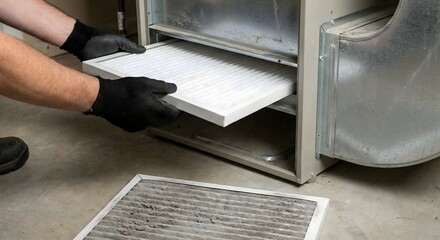
Investing in annual cleanings and regular inspections by an HVAC professional optimizes your heating system’s performance, improves energy efficiency, and extends its lifespan. Learn how much this vital maintenance service costs. If you notice more dust at home, a grimy furnace may be the culprit. Dirty furnaces recirculate dust throughout your house and may cause upper respiratory troubles or allergies.

Labor

Furnace cleaning will use specialized tools to remove dust, dirt, and debris from essential components like the blower motor, burners, and heat exchanger. In some cases, a technician may even need to clean the furnace’s interior and exterior. These tasks require time and effort, which are key drivers of furnace cleaning costs.

A well-maintained furnace uses less energy and fuel, lowering your utility bills and protecting the health of your family. Investing in regular furnace cleanings and inspections also helps your system last longer and reduces the likelihood of expensive repairs or replacement.

While you can perform some basic maintenance tasks at home, a professional technician is the best choice for comprehensive maintenance services. A professional will shut off power and gas before opening the furnace access panel, allowing them to clean critical components. Then, they’ll vacuum and brush away accumulated debris. In some cases, a specialized chemical cleaner may be required to break down stubborn residues and ensure optimal performance.

If you’re not sure whether your furnace is due for a cleaning, there are some warning signs to look out for. These include excessive dust accumulation and a yellow or flickering pilot light (a healthy flame is blue). Also, if your home feels warmer in some rooms or you’re experiencing inconsistent heating, these are common indications of a dirty furnace.

If you’ve noticed any of these symptoms, it’s important to schedule a professional cleaning as soon as possible. The longer you wait, the more damage and strain your furnace will experience. Dirty furnaces will work harder to heat your home, which can lead to higher energy bills and an increased risk of unexpected breakdowns. A professional furnace cleaning is an investment that will save you money on your energy bills, improve indoor air quality, and protect your long-term investment. Contact your local Bryant dealer to learn more about scheduling furnace cleaning and inspections. They can provide a full assessment of your system and offer expert advice to help you save money on heating.

Equipment

Getting rid of dust, dirt, and debris in a furnace helps it run more efficiently. It also reduces energy costs, extends the lifespan of the system, and enhances indoor air quality. While some simple furnace cleaning tasks-such as replacing air filters and wiping down accessible components-can be performed by a homeowner, more technical steps like removing the blower assembly or “squirrel cage” and inspecting and cleaning burners, coils, and the heat exchanger should only be handled by a qualified HVAC technician.

Furnace cleaning can help prevent issues that lead to costly malfunctions and repairs. It can also extend the lifespan of a furnace, delaying the need for replacement. Annual cleanings can also help prevent carbon monoxide leaks and improve overall indoor air quality.

Some signs that your furnace needs cleaning include:

Unusually high utility bills – Grime and carbon soot buildup cause a furnace to work harder, straining components and increasing energy consumption.

Odd odors – Burnt, rotten egg, or other unpleasant smells coming from vents, registers, or the furnace itself indicate an issue with a component or gas leak.

Reduced airflow from vents – A dirty furnace blower or clogged filter can restrict airflow, leading to inefficient operation.

Visible soot or rust around vents and registers – A dirty furnace can discolor the surrounding area.

Increasing allergies and respiratory symptoms – Dirty airflow can circulate abrasive particles that irritate the respiratory system, aggravating existing allergies and asthma.

A professional furnace cleaning from a local Carrier dealer can be performed in a 1-2 hour process that includes a thorough inspection, cleaning, and tune-up of specialized components like burners, coils, and the heat exhanger. A professional will turn off power and fuel, remove the access panel, use a wire brush to clean the combustion chamber walls of an oil furnace, vacuum the interior of the heat exchanger, and check the exhaust flue for holes or a faulty seal. Once the furnace is cleaned, it’s reconnected and tested to ensure proper performance. A regular cleaning schedule with a local Carrier dealer improves efficiency, helps protect against carbon monoxide leaks and fire hazards, and keeps your home safe and healthy year-round.

Materials

Furnace cleaning involves removing dust and debris from the blower motor compartment, burners, heat exchanger, and other components. Professionals use high-powered tools, brushes, and vacuums to clean each component thoroughly. They may also apply specialized cleaners to break down stubborn residues and ensure each part functions correctly. In some cases, they may replace worn parts or install new filters to improve airflow and energy efficiency.

A dirty furnace can lead to many problems, including a shorter lifespan for the system and poor indoor air quality throughout the home. Regular maintenance and cleaning services can help prevent these issues, which can reduce energy bills and extend the system’s lifecycle. The first step in any furnace cleaning process is turning off the system and removing the access panel to inspect and clean each component. The technician will check the condition of important parts like the blower motor, gas line, and flame sensor before completing the cleaning.

Once the technician has inspected and cleaned each component, they’ll replace the filter and restore power to the furnace. They’ll also test the blower motor and fan to make sure they operate properly.

The final step in any furnace cleaning process is wiping down the inside of the blower compartment with a cloth dampened with clean water. They’ll then replace the blower assembly and access panel, ensuring all screws are tightened and the gas and power connections are restored.

Before scheduling a furnace cleaning service, homeowners should understand what the process entails and how it can affect their costs. The cost of a professional cleaning and inspection should be viewed as an investment in the longevity and performance of a heating system.

A professional furnace cleaning service will ensure the system runs efficiently and safely, which can reduce utility bills and extend its lifespan. The best time to schedule a furnace cleaning and inspection is in the spring or summer, before the heating season begins. The fall and winter are the busiest seasons for furnace professionals, so cleanings in these months will often be more expensive. Additionally, some city utility companies offer seasonal rebates on furnace cleaning and inspection services, helping consumers offset the cost of the service.

Time

The length of time it takes for an HVAC technician to clean your furnace will vary, depending on how dirty the system is and how long since its last cleaning. Generally, professionals recommend getting your heating system professionally cleaned every year. This helps to improve efficiency, reduce energy costs, and extend the life of your furnace.

While some furnace cleaning tasks can be done at home, more technical maintenance and inspections require a professional to perform safely and properly. For example, a professional can check the flame sensor to ensure it is in working condition and is not obstructed. Additionally, a professional can clean the blower assembly or squirrel cage, which increases airflow and motor performance and decreases the risk of early motor failure.

Your local Bryant dealer can help you schedule your furnace tune-up and clean, which will include a comprehensive list of recommended maintenance and cleaning tasks. Ask for a copy of the contractor’s maintenance checklist before hiring them to ensure their work will be thorough.

The longer you wait between furnace cleanings, the more dust and dirt will build up in your system. When this happens, your system will have to work harder to warm the same amount of space, which can lead to higher heating bills. It can also cause your equipment to wear down faster and lead to costly repairs in the future.

A professional cleaning can remove all that dust and debris from your system, ensuring it operates at peak performance. Additionally, a professional can address warning signs, such as rattling or squeaking noises or persistent burning smells, to prevent a larger problem from developing.

Furnace cleaning and tune-ups are an essential part of any home maintenance plan. However, if you do not hire a qualified HVAC contractor, DIY furnace maintenance and cleaning can pose safety risks, damage your system, and may even void the warranty. If you do decide to clean your furnace yourself, make sure you are following the proper steps and using the right tools and materials.

How Does Physical Therapy Help With Pain Relief and Long Term Recovery?

Physical Therapy

Physical Therapy Houston is a cornerstone of modern healthcare that focuses on restoring movement, reducing pain, and improving overall physical function. It is commonly recommended for people recovering from injuries, surgeries, or medical conditions, but it is also widely used to manage chronic pain and prevent future physical problems.

By addressing the root causes of pain and mobility limitations, physical therapy helps individuals regain independence and improve their quality of life in both the short and long term.

Understanding the Role of Physical Therapy in Healthcare

Physical therapy is a non invasive treatment approach provided by licensed physical therapists who are trained in human movement, anatomy, and rehabilitation science. The primary goal is to help patients move better and function more effectively in their daily lives. Rather than masking symptoms, physical therapy works to correct underlying physical issues that contribute to pain or dysfunction.

Physical therapists evaluate posture, strength, flexibility, balance, and movement patterns. Based on this evaluation, they develop personalized treatment plans tailored to each patient’s condition, lifestyle, and recovery goals. This individualized approach is what makes physical therapy effective for a wide range of people and conditions.

How Physical Therapy Helps Relieve Pain

Pain relief is one of the most common reasons people seek physical therapy. Pain may result from injury, overuse, poor posture, surgery, or chronic conditions such as arthritis. Physical therapy addresses pain by improving how the body moves and functions.

Therapeutic exercises strengthen weak muscles, stretch tight tissues, and improve joint mobility. Manual therapy techniques such as soft tissue mobilization and joint manipulation help reduce stiffness and improve circulation. These methods work together to reduce stress on painful areas.

Physical therapy also helps retrain the nervous system. When the body learns healthier movement patterns, pain signals often decrease naturally. This approach reduces reliance on pain medication and supports long term relief.

Treating Acute and Chronic Conditions With Physical Therapy

Physical therapy is effective for both acute injuries and chronic conditions. Acute conditions such as sprains, fractures, or post surgical recovery benefit from structured rehabilitation that supports proper healing. Physical therapists guide patients through safe progressions that restore strength and mobility without causing further damage.

Chronic conditions such as lower back pain, neck pain, arthritis, and fibromyalgia often require ongoing management. Physical therapy helps patients build resilience, manage symptoms, and maintain function over time. For chronic pain sufferers, therapy provides tools to control discomfort rather than allowing pain to limit daily activities.

This adaptability makes physical therapy a valuable option across many stages of recovery.

Physical Therapy After Surgery or Injury

After surgery or injury, the body needs guidance to heal correctly. Physical therapy plays a critical role in restoring movement and preventing complications such as stiffness, muscle weakness, or improper healing.

Following surgical procedures like joint replacements, ligament repairs, or spinal surgery, physical therapy helps patients regain range of motion and rebuild strength. Therapists monitor healing progress and adjust exercises to match recovery stages.

For injuries such as sports injuries or workplace accidents, physical therapy helps restore function while addressing movement patterns that may have contributed to the injury. This reduces the risk of reinjury and supports a safer return to activity.

Improving Mobility, Strength, and Balance

Mobility limitations can affect independence and quality of life. Physical therapy focuses on improving strength, flexibility, and balance to help individuals move with confidence. Exercises are designed to target specific muscle groups and joints that affect daily activities.

Balance training is especially important for older adults and individuals recovering from neurological conditions. Improved balance reduces the risk of falls and enhances overall stability. Strength training supports joint health and protects against future injuries.

By improving physical capabilities, physical therapy helps patients perform everyday tasks with less effort and discomfort.

Physical Therapy for Neurological Conditions

Physical therapy is a key part of rehabilitation for neurological conditions such as stroke, multiple sclerosis, Parkinson’s disease, and spinal cord injuries. These conditions can affect movement, coordination, and muscle control.

Therapists use specialized techniques to help patients relearn movement patterns, improve balance, and increase functional independence. Gait training, coordination exercises, and strength building are often part of neurological physical therapy programs.

While neurological conditions may be long term, physical therapy helps patients maximize their abilities and maintain a higher quality of life.

The Preventive Benefits of Physical Therapy

Physical therapy is not only reactive but also preventive. Preventive physical therapy focuses on identifying weaknesses, imbalances, or poor movement habits before they lead to injury. This is especially valuable for athletes, active individuals, and people with physically demanding jobs.

Through assessments and targeted exercises, physical therapists help patients improve posture, strengthen vulnerable areas, and optimize movement mechanics. This proactive approach reduces injury risk and supports long term physical health.

Preventive therapy also benefits individuals with sedentary lifestyles by addressing posture related issues and muscle imbalances caused by prolonged sitting.

Physical Therapy and Mental Well Being

The benefits of physical therapy extend beyond the physical body. Chronic pain and mobility limitations often affect mental health, leading to stress, frustration, or reduced confidence. Physical therapy helps restore a sense of control and progress.

As patients regain strength and mobility, they often experience improved mood and motivation. Movement releases endorphins, which naturally support emotional well being. Achieving physical milestones during therapy can also boost confidence and independence.

This connection between physical and mental health is an important part of the recovery process.

What to Expect During Physical Therapy Sessions

Physical therapy typically begins with an initial evaluation where the therapist assesses the patient’s condition and discusses goals. Based on this assessment, a treatment plan is created that outlines exercises, techniques, and expected progress.

During therapy sessions, patients may perform guided exercises, receive manual therapy, and learn strategies for pain management and injury prevention. Sessions are interactive, with therapists providing feedback and adjustments.

Home exercise programs are often included to support progress between visits. Consistency and active participation play a major role in achieving positive outcomes.

How Long Physical Therapy Takes to Show Results

The timeline for physical therapy results varies depending on the condition, severity, and individual response to treatment. Some patients experience pain relief and improved mobility within a few sessions, while others require several weeks or months of therapy.

Chronic conditions and post surgical recovery often take longer, but steady progress is common with consistent effort. Physical therapists regularly reassess progress and adjust treatment plans to ensure continued improvement.

Patience and commitment are important, as long term benefits often come from sustained participation.

The Importance of Patient Education

Education is a fundamental part of physical therapy. Therapists teach patients about their condition, proper movement techniques, and ways to manage symptoms safely. Understanding how the body works helps patients avoid behaviors that may worsen pain or delay recovery.

Education empowers patients to take an active role in their health. The knowledge gained during therapy often continues to benefit patients long after formal sessions end.

This focus on education supports lasting results and self management.

Choosing the Right Physical Therapy Provider

Selecting the right physical therapy provider can significantly influence outcomes. Patients should look for licensed therapists with experience treating their specific condition. Clear communication, personalized care, and a supportive environment are important factors.

A good therapist listens to patient concerns, explains treatment plans clearly, and adapts care as needed. Building trust between patient and therapist supports better engagement and results.

Researching providers and asking questions helps ensure a positive therapy experience.

Physical Therapy Across Different Life Stages

Physical therapy supports people at every stage of life. Children may receive therapy for developmental delays or injuries. Adults often seek therapy for work related injuries, sports injuries, or chronic pain.

Older adults benefit from therapy that focuses on balance, strength, and fall prevention. Age specific approaches ensure that treatment remains safe and effective.

This versatility makes physical therapy a valuable resource for lifelong health.

Long Term Benefits of Physical Therapy

The long term benefits of physical therapy include improved mobility, reduced pain, better posture, and enhanced physical confidence. Patients often develop healthier movement habits that protect against future injuries.

Physical therapy encourages active lifestyles and supports overall wellness. Many individuals find that the skills and exercises learned during therapy become part of their regular routine.

These lasting benefits make physical therapy an investment in long term health.

Final Thoughts on How Physical Therapy Supports Pain Relief and Recovery

Physical therapy is a powerful and evidence based approach to pain relief, recovery, and improved physical function. By addressing the underlying causes of pain and movement limitations, it provides long term solutions rather than temporary relief.

Whether recovering from injury, managing chronic pain, or seeking preventive care, physical therapy helps individuals move with greater ease and confidence. With personalized treatment, education, and active participation, physical therapy supports lasting recovery and a better quality of life.