Renovating a home or commercial space is an exciting process. Fresh paint, upgraded fixtures, improved layouts, and modern finishes can dramatically transform the look and functionality of a property. However, once the contractors leave and the visible construction work is complete, many property owners overlook a critical final step: post-construction carpet cleaning.
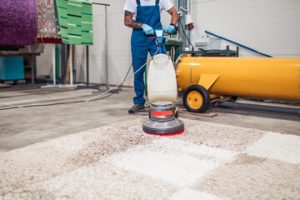
Even when carpets appear relatively clean, renovation projects generate fine dust, debris, and residues that settle deep within carpet fibers. Professional post-construction Carpet Cleaning Lehi is essential for protecting indoor air quality, preserving flooring investments, and ensuring the newly renovated space truly feels fresh and ready for use.
Construction and renovation projects produce a significant amount of airborne particles. Cutting drywall, sanding wood, installing tile, painting, and removing old materials all release microscopic dust into the air. These particles do not simply disappear when the visible debris is swept away. Instead, they circulate through the space and eventually settle into porous materials, including carpets. Carpet fibers act like filters, trapping dust, allergens, and construction residue deep within the pile. Without thorough cleaning, these particles remain embedded, potentially affecting air quality and the longevity of the carpet.
One of the primary reasons post-construction carpet cleaning is essential is the impact on indoor air quality. Fine construction dust can contain drywall particles, wood fibers, insulation fragments, and other materials that irritate the respiratory system. Even after surfaces are wiped down and floors are vacuumed, deeply embedded debris can continue to circulate when the HVAC system operates or when foot traffic disturbs the carpet. Professional deep cleaning removes these contaminants at their source, reducing airborne particles and creating a healthier indoor environment.
Another important consideration is the preservation of carpet fibers. Construction debris is often abrasive. Tiny particles of dust and grit can become lodged in carpet fibers, acting like sandpaper when walked on. Over time, this abrasion weakens fibers, leading to premature wear, matting, and discoloration. Newly renovated spaces deserve flooring that looks and performs at its best. Post-construction carpet cleaning eliminates abrasive debris, protecting the texture, appearance, and lifespan of the carpet.
Paint splatters, adhesive residue, and fine drywall dust are common byproducts of renovation projects. Even careful contractors cannot prevent every trace of material from settling onto the flooring. While some debris may be visible, much of it blends into the carpet and goes unnoticed. Professional carpet cleaning technicians use specialized equipment and cleaning solutions to break down stubborn residues without damaging the fibers. This ensures that the final presentation of the renovated space matches the quality of the improvements.
Odor removal is another significant benefit of post-construction carpet cleaning. Renovations often introduce lingering smells from paint, sealants, adhesives, and building materials. These odors can become trapped within carpet fibers and padding. Over time, they may contribute to a stale or chemical scent in the space. Deep cleaning not only removes visible debris but also extracts odor-causing particles embedded within the carpet. The result is a fresher, cleaner environment that truly reflects the completion of the renovation.
There are several key reasons why post-construction carpet cleaning should be considered a mandatory final step in any renovation project:
- Improved Indoor Air Quality – Removes fine dust and airborne irritants trapped in carpet fibers.
- Fiber Protection – Eliminates abrasive particles that cause premature wear.
- Stain and Residue Removal – Addresses paint, adhesives, and construction-related debris.
- Odor Neutralization – Extracts lingering smells from renovation materials.
- Enhanced Appearance – Restores the carpet’s texture and vibrancy after construction traffic.
These benefits collectively protect both the property and the well-being of its occupants.
Foot traffic during construction is another often-overlooked factor. Contractors and workers move in and out of the space frequently, sometimes tracking in dirt, mud, and debris. Even with protective coverings, carpets can be exposed to contaminants. Heavy equipment or tools may compress fibers, leaving flattened areas that detract from the carpet’s appearance. Professional cleaning revitalizes these compressed fibers, restoring their natural texture and uniform look.
Post-construction cleaning also supports warranty protection for new carpet installations. Many carpet manufacturers recommend or require professional cleaning at specific intervals to maintain warranty coverage. If a renovation includes newly installed carpeting, removing construction dust promptly prevents fiber damage and helps preserve manufacturer guarantees. Investing in professional cleaning safeguards that warrant and protect the overall flooring investment.
For commercial properties, presentation is particularly important. Clients, employees, and visitors expect a newly renovated space to look pristine and polished. Dusty or dingy carpets can undermine the impact of expensive upgrades. Post-construction carpet cleaning ensures that every detail aligns with the refreshed aesthetic. Clean carpets enhance the visual appeal of the space, reinforcing the value of the renovation.
Health considerations are especially significant in environments where occupants spend extended periods indoors. Construction dust can aggravate allergies, asthma, and respiratory sensitivities. Even small amounts of residual dust may trigger symptoms. Deep carpet cleaning removes particles that regular vacuuming cannot reach. By eliminating hidden irritants, property owners create a safer and more comfortable indoor atmosphere.
The process of professional post-construction carpet cleaning typically involves multiple steps to achieve optimal results. Technicians often begin with a detailed inspection to identify high-traffic areas, visible stains, and heavily affected zones. Pre-treatment solutions may be applied to loosen debris and break down residues. High-powered extraction equipment then removes embedded particles and moisture. This comprehensive approach ensures that contaminants are not merely redistributed but fully extracted from the carpet.
Moisture control is an important part of the cleaning process. Excess water left in carpets can lead to mold growth or unpleasant odors. Professional equipment is designed to minimize drying time while thoroughly cleansing fibers. Proper drying techniques protect both the carpet and the underlying padding, preventing secondary issues after the renovation.
In addition to deep cleaning, professional technicians may provide recommendations for ongoing carpet maintenance. Renovation projects can disrupt normal cleaning routines, and establishing a consistent maintenance plan helps preserve the newly refreshed space. Regular vacuuming, periodic professional cleanings, and prompt stain treatment contribute to long-term carpet performance.
Another key benefit of post-construction carpet cleaning is dust containment. Even after renovation is complete, fine particles can continue to settle from surfaces and ventilation systems. Cleaning carpets thoroughly reduces the reservoir of dust that can be reintroduced into the air. This complements other post-construction cleaning efforts, creating a comprehensive final stage of the renovation process.
It is also important to recognize the psychological impact of cleanliness. After weeks or months of renovation noise and disruption, occupants are eager to enjoy their improved space. Lingering dust and debris can detract from that experience. Freshly cleaned carpets signal completion and readiness. The space feels finished, polished, and welcoming. This sense of closure is an often-overlooked but meaningful part of the renovation journey.
Several signs indicate that post-construction carpet cleaning is necessary:
- Visible Dust Accumulation – Fine powder or residue on carpet surfaces.
- Persistent Construction Odors – Lingering smells from paint or materials.
- Flattened or Matted Fibers – Evidence of heavy foot traffic during renovation.
- Allergy Flare-Ups – Increased respiratory irritation after construction.
- Dull or Discolored Appearance – Carpet looks less vibrant than before the project.
Addressing these signs promptly ensures that the renovation investment is fully realized.
From a financial perspective, post-construction carpet cleaning is a cost-effective measure. Replacing prematurely worn or damaged carpet is far more expensive than scheduling professional cleaning. Removing abrasive debris and residues extends the life of the flooring, preserving its value and reducing long-term expenses. In commercial settings, well-maintained carpets also contribute to a positive brand image and customer perception.
Environmental considerations also come into play. Many professional carpet cleaning services use eco-friendly solutions that effectively remove construction debris without introducing harsh chemicals into the indoor environment. This approach aligns with sustainable renovation practices and supports healthier indoor living conditions.
Ultimately, post-construction carpet cleaning is not an optional finishing touch—it is an essential component of a successful renovation. It bridges the gap between construction completion and true occupancy readiness. By removing embedded dust, protecting fibers, improving air quality, and enhancing overall appearance, professional cleaning ensures that the renovated space delivers both aesthetic and functional benefits.
In conclusion, renovation projects dramatically improve the look and utility of homes and commercial spaces, but they also introduce dust and debris that settle deep within carpets. Post-construction carpet cleaning eliminates hidden contaminants, protects flooring investments, and enhances indoor air quality. From odor removal to fiber preservation, the benefits extend far beyond surface-level cleanliness. For property owners seeking to fully enjoy their newly renovated environment, professional carpet cleaning is the final and essential step in completing the transformation.